🌡️ Beehive scales are a low stand that goes under a hive. A single load cell and a battery-powered ESP32 pod flush in its side measure hive weight, brood-nest temperature, hive humidity, ambient climate and battery health every 10 minutes, and send the readings to the web app. No cables hang outside. The Entrance Observer bolts to the front of its base and powers it, and the same scale fits into the Robotic Beehive.
The hardware is described in the beehive sensors docs: product description, bill of materials and production wiring. The app stores readings in hive telemetry storage and compares them through timeseries data analytics.
Overview
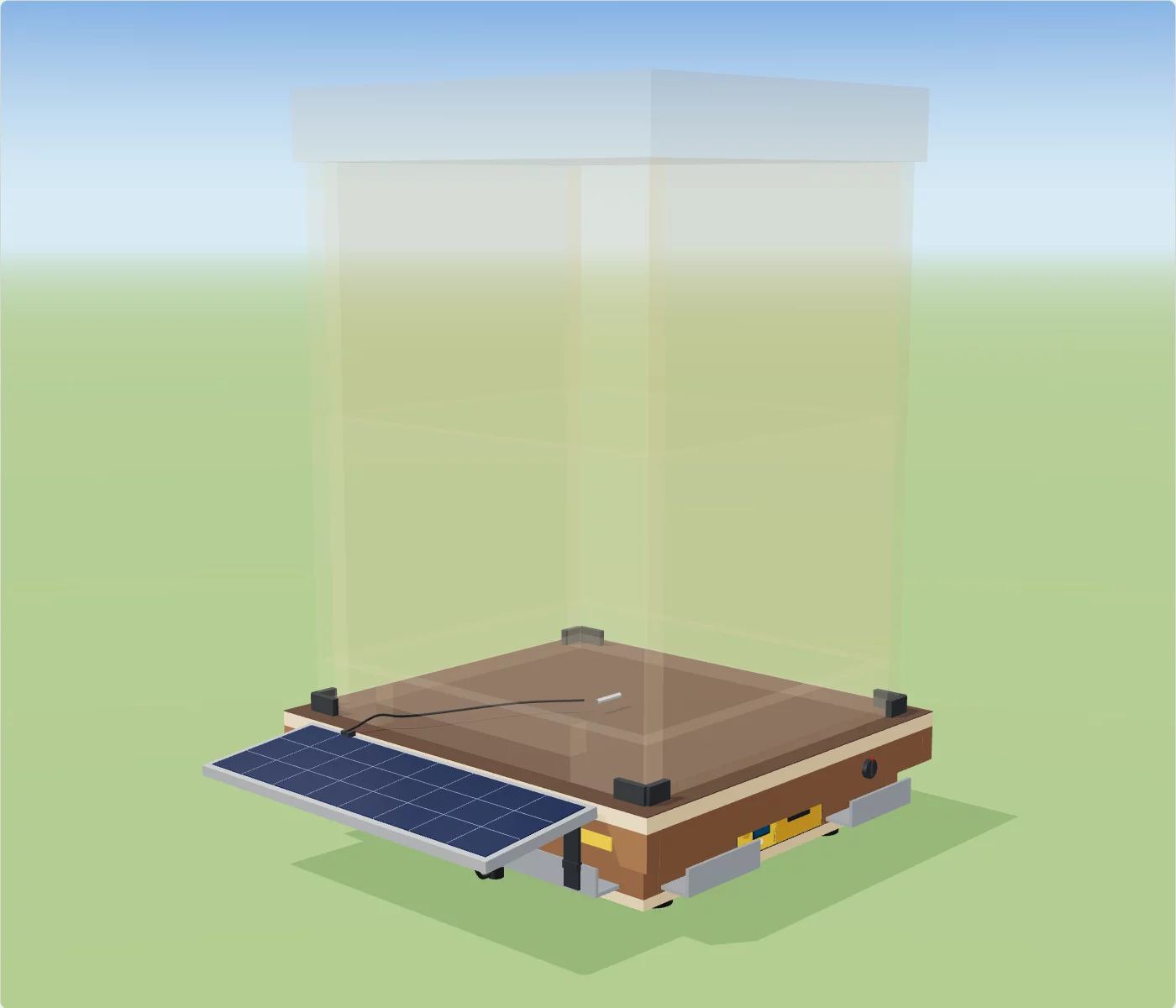
3D model
Drag to orbit, point at a part to see what it does, and press Explode to open the scale layer by layer. With Entrance Observer bolts the Observer to the front of the scale, and Stands on → Robot shows the scale bolted into the Robotic Beehive plinth.
Point at any part
Every part has a note: what it is, why it is there and how it is serviced.
What it measures
- Hive weight, 200 kg capacity: nectar flow, swarming (a sudden 1–3 kg drop), winter stores, robbing and theft
- Brood-nest temperature and hive humidity from one probe pushed in through the entrance: brood rearing, a queenless colony, the winter cluster, a damp hive
- Ambient temperature and humidity behind louvres in the base wall, for weather context
- Battery, signal and firmware health, so the app warns before data stops
Design
- Runs on batteries: a 4-cell cartridge lasts about 13 months; swap it in seconds or charge it over USB-C
- No loose cables: load cell, sensors and connector are wired inside the base; the climate probe plugs into a socket built into a hive corner block and lies in a groove at the entrance
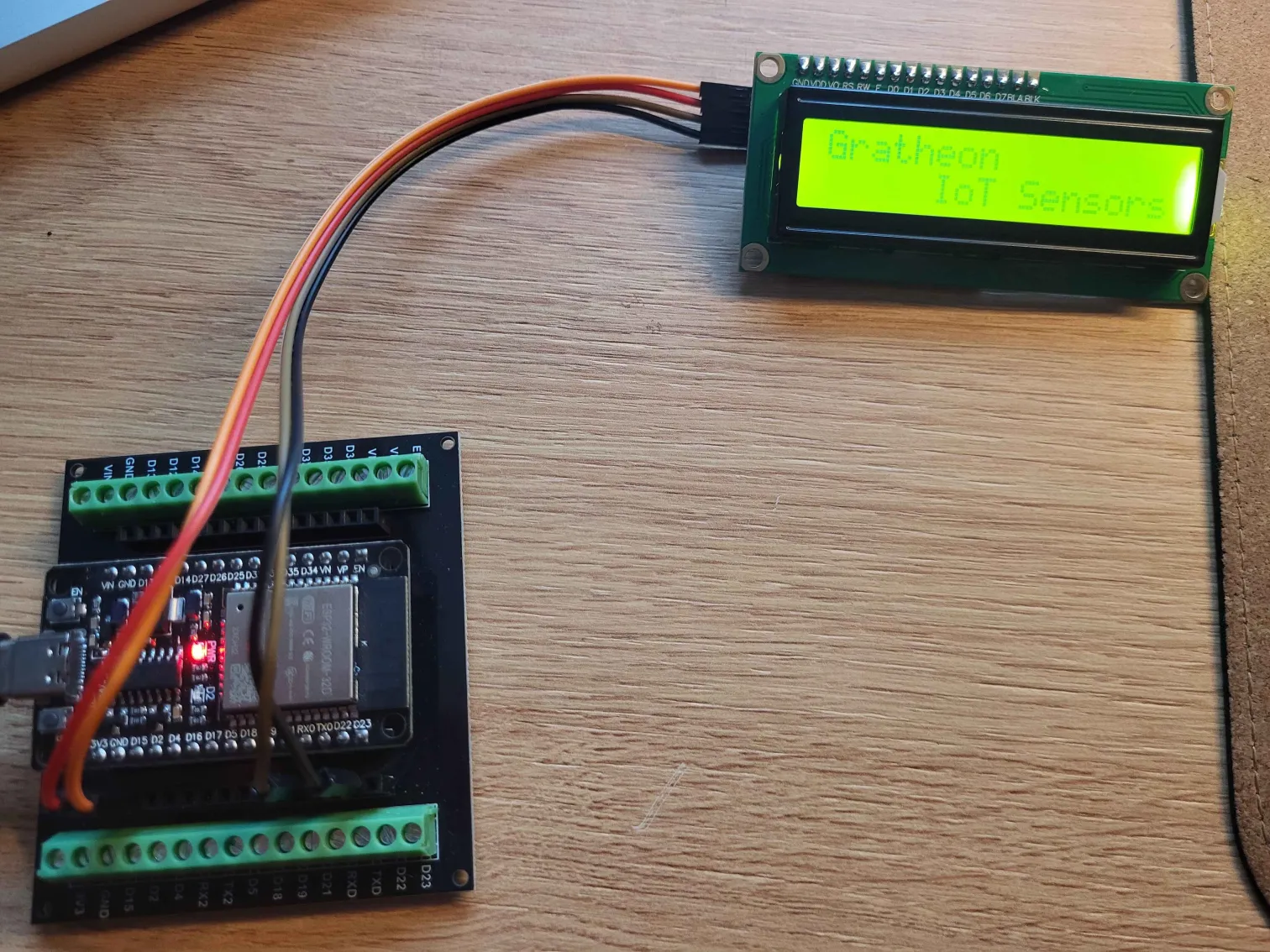
- Flush pod: the ESP32 pod sits in the side of the base under the deck overhang, with nothing for snow or a boot to catch. Press its button to see the latest readings on a small display
- Better with the Entrance Observer: it bolts to the front of the scale, brings the landing board and solar power, powers the scale over one short lead and uploads both products' data together
- Wood you can build: film-faced plywood deck and thermo-pine case from any joinery shop, 3D-printed small parts
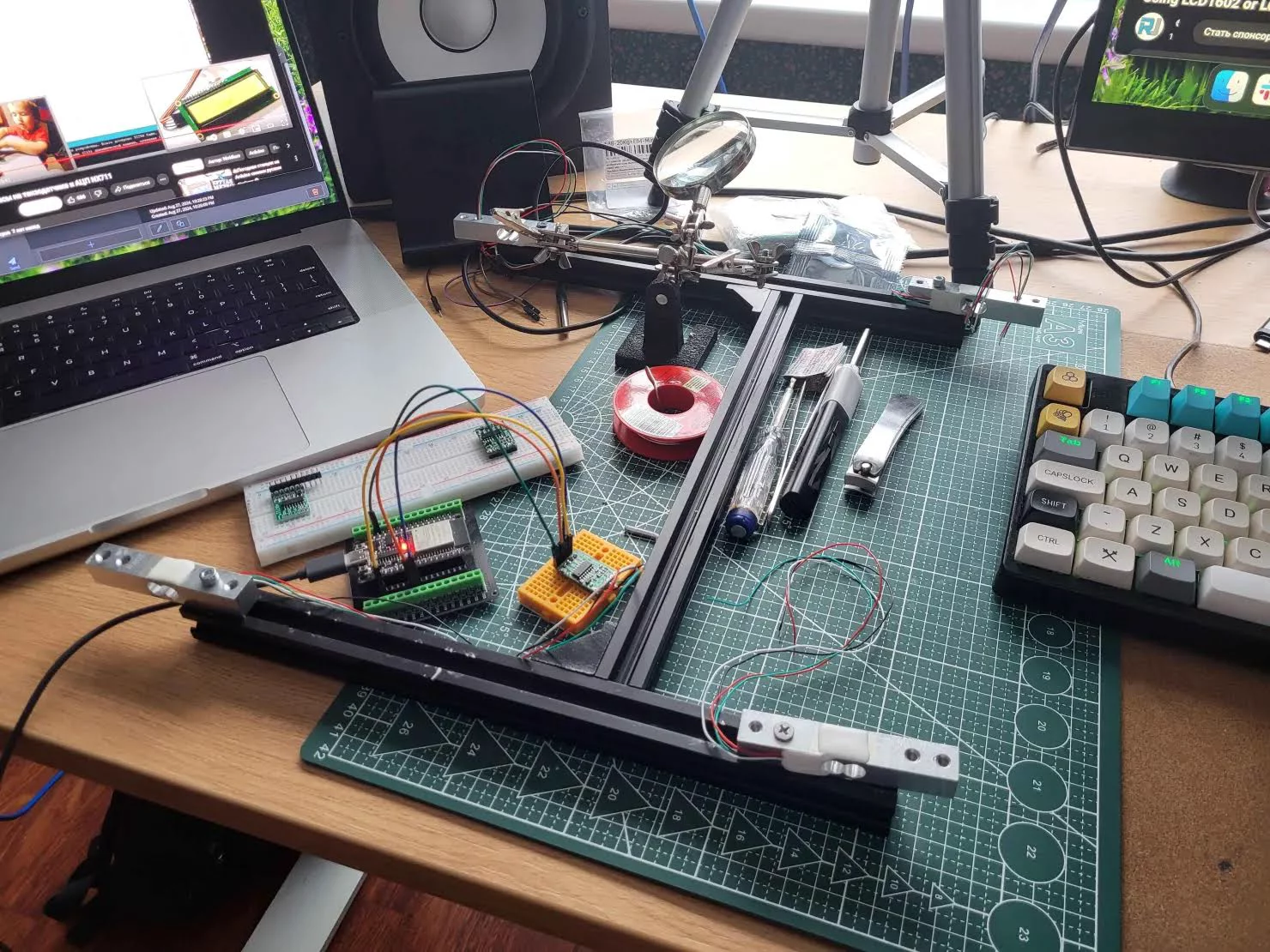
- AP62AFB single-point load cell with overload stops under every corner, and a deck skirt that sheds rain and snow
- Ships calibrated in one flat box, installs in about 15 minutes
Problem focus
Out of all beekeeping issues, this product is helping with these:
Target audience
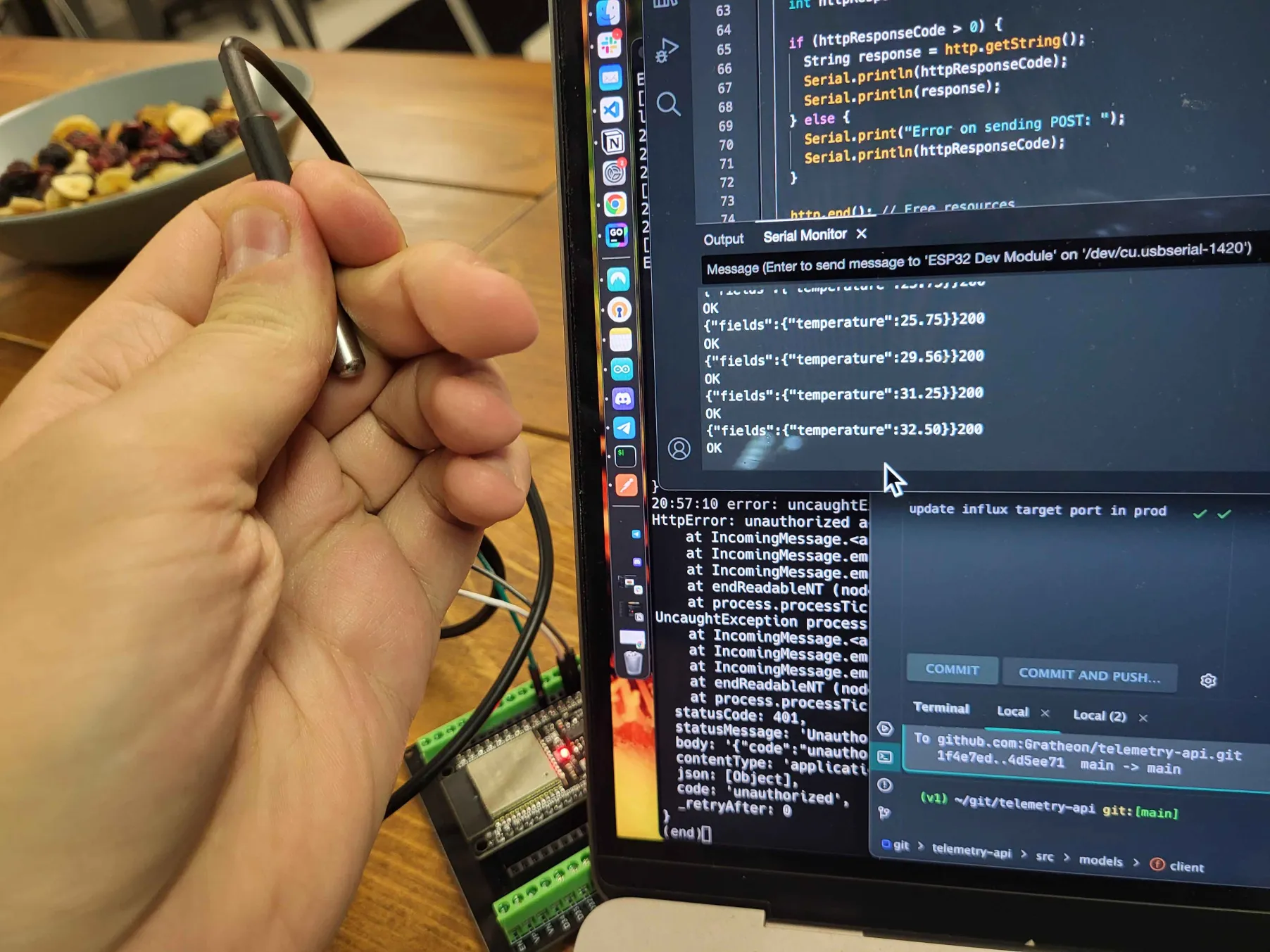
Prototype photos